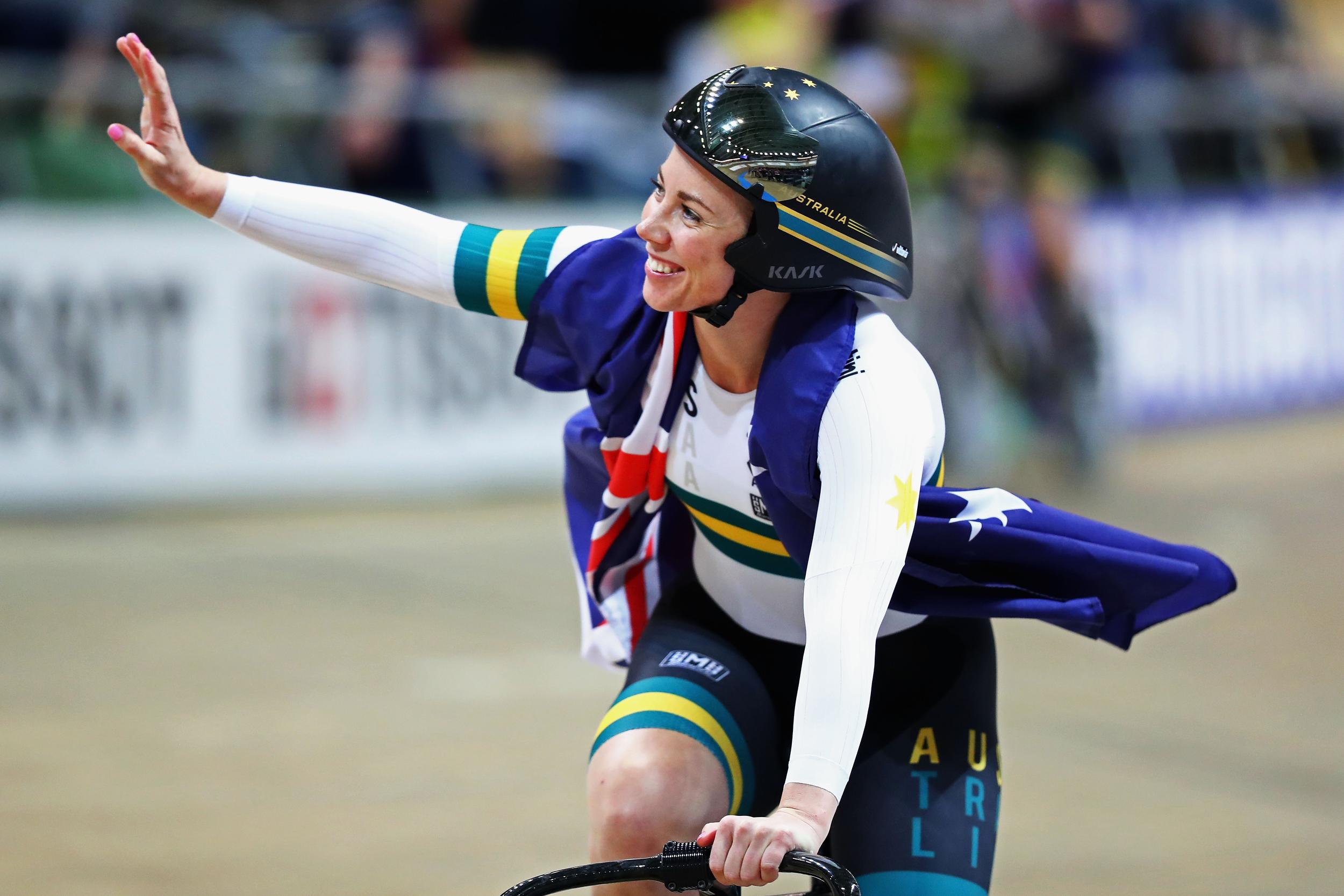
Kaarle McCulloch | Olympic Coach | Regenerative Leadership in High Performance
When Kaarle McCulloch and I first began working together, she was already operating at the highest level of international sport.
A four time World Champion, Commonwealth Games gold medallist and National Women's Sprint Coach for AusCycling, Kaarle had built a career around one question:
What's the difference that makes the difference?
She had spent years helping athletes perform under extraordinary pressure, developing environments where people could learn, fail safely and ultimately achieve world class results. She understood that winning wasn't simply about physical performance. It was about psychology, relationships, trust and creating the right environment for people to thrive.
Then life changed.
Kaarle became a mother.
Like many high performing leaders, she quickly realised that the approach which had helped her succeed throughout her career wasn't going to be sustainable in this next chapter of her life.
The demands of leading a national programme hadn't changed.
The demands outside work had.
Rather than trying to force herself back into old habits, we began exploring what regenerative leadership looked like for this season of her life.
Our work wasn't about asking Kaarle to lower her standards, instead it focused on helping her achieve those standards in a different way.
Using biofeedback, coaching and evidence based leadership development, we explored how stress, recovery and nervous system regulation were influencing the way she was leading. Together we identified what genuinely supported her performance, what quietly depleted it and where small changes could create significant improvements.
One of the biggest shifts wasn't adding more.
It was removing what no longer mattered.
Together we restructured her workload around what genuinely created value, introduced ways of protecting her capacity throughout the week and developed practical approaches to regulation that could be integrated into an already demanding schedule.
Being highly analytical, Kaarle found the biofeedback particularly valuable. Rather than relying on assumptions, the data helped her understand how her body was responding to pressure and where she was recovering well despite interrupted sleep with a young child. It gave her confidence to trust the evidence rather than the stories she was telling herself.
The impact extended beyond Kaarle.
As her own awareness grew, many of the same approaches naturally became part of the way she coached her athletes. Conversations about regulation, recovery, attention and creating psychologically safe environments became embedded within her leadership.
Today Kaarle continues to lead at the highest level of Australian sport whilst raising a young family.
Her standards haven't changed - her approach has.
Perhaps that's one of the biggest lessons regenerative leadership has taught us both.
Sustainable excellence isn't achieved by becoming tougher.
It's achieved by becoming more intentional about where we place our energy, attention and effort.
"One of the things that differentiates your programme from traditional leadership courses is that you're helping me learn how to function and regulate myself. That's something I was struggling to do within the system."
Kaarle McCulloch
National Women's Sprint Coach, AusCycling